
Want to see Coronado, California the way the locals do?

Most visitors see Coronado from the front.
Orange Avenue. The beach. The Hotel del Coronado. The postcard version of one of the most iconic coastal towns in America.
What they miss is everything behind it.
Behind the homes. Behind the garages. Behind nearly every block on the island — there's a second Coronado. A quieter one. A more connected one. The one where people actually live.
We drove it ourselves — the alleyways, the history, the beach, the real estate, and what Golf Car Living actually looks like when it's done right.
This article gives you the full story. The episode below shows you what it feels like to move through it.
Both are worth your time.
The Network Nobody Talks About
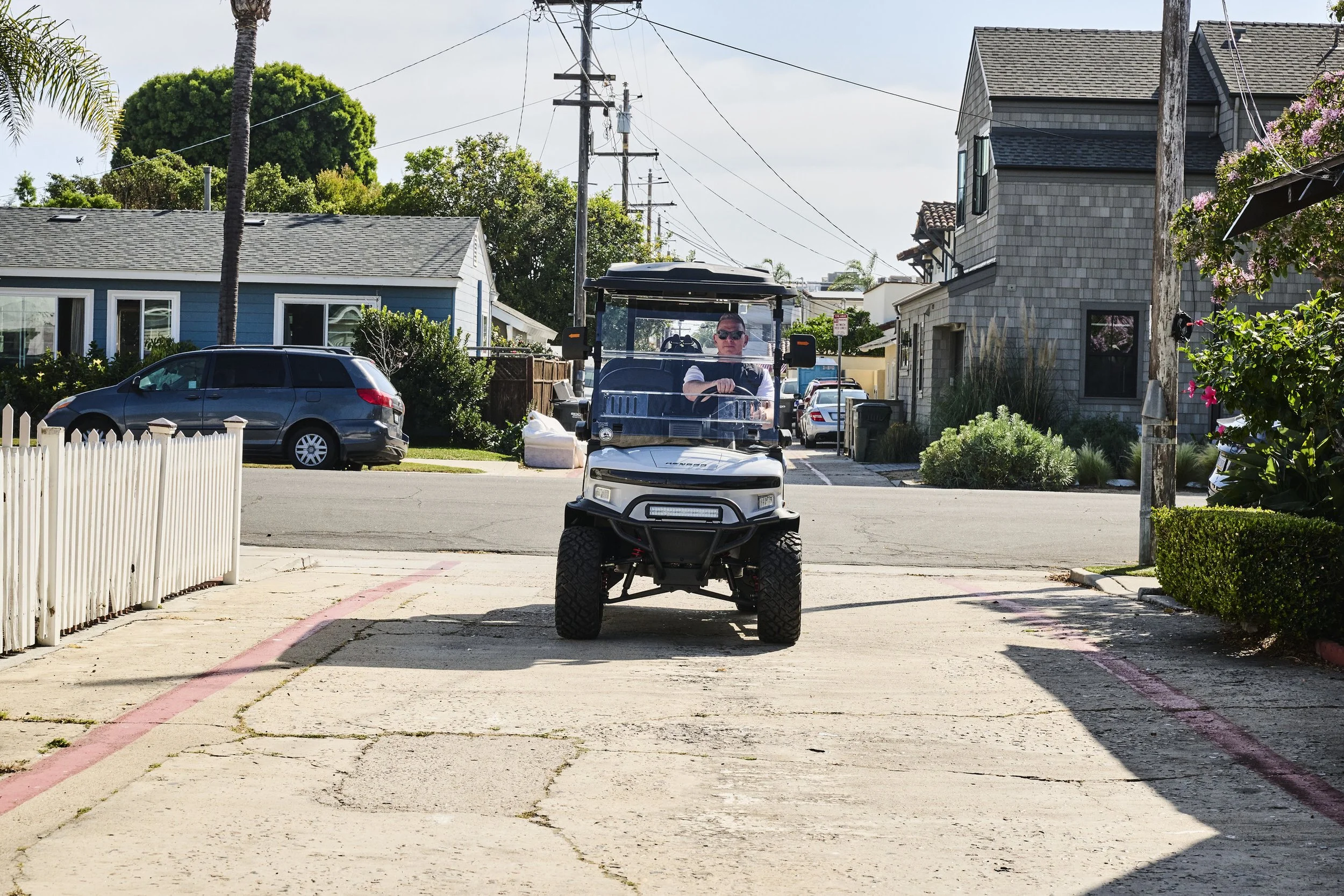
Behind nearly every residential block in Coronado, there's a second street.
Not a shortcut. Not a back road. A fully planned network of alleyways built into the original 1880s design of the island.
The idea was simple and ahead of its time: keep the front streets beautiful and uncluttered, and let the real movement of the neighborhood happen out back. Service. Deliveries. Carriages. Daily life.
More than 140 years later, the alleyways still do exactly that.
They keep the front streets quiet. They give locals a faster way through the neighborhood when two million annual visitors fill the main roads. And for golf car owners, they create a low-speed, low-stress network that makes moving through Coronado feel effortless.
Riding through them is one of those things that clicks immediately once you do it. The whole island starts to make sense in a different way.
Orange Avenue: Where It All Comes Together
If the alleyways explain how Coronado moves, Orange Avenue explains where everything meets.
The name comes from the rows of orange trees early developers planted down the center of the street. Local jackrabbits reportedly had other plans. The trees were eventually replaced with the palms, pines, and cypress that still line the road today.
At just over a mile long, Orange Avenue is the spine of the island — connecting neighborhoods, parks, cafés, restaurants, shops, golf, the beach, and the Hotel del Coronado into one continuous, walkable, golf-car-friendly stretch.

More than 50 shops and businesses line the route, most of them independently owned. It handles morning coffee, weekend dinners, groceries, and everything in between.
The Story Hiding Along the Way
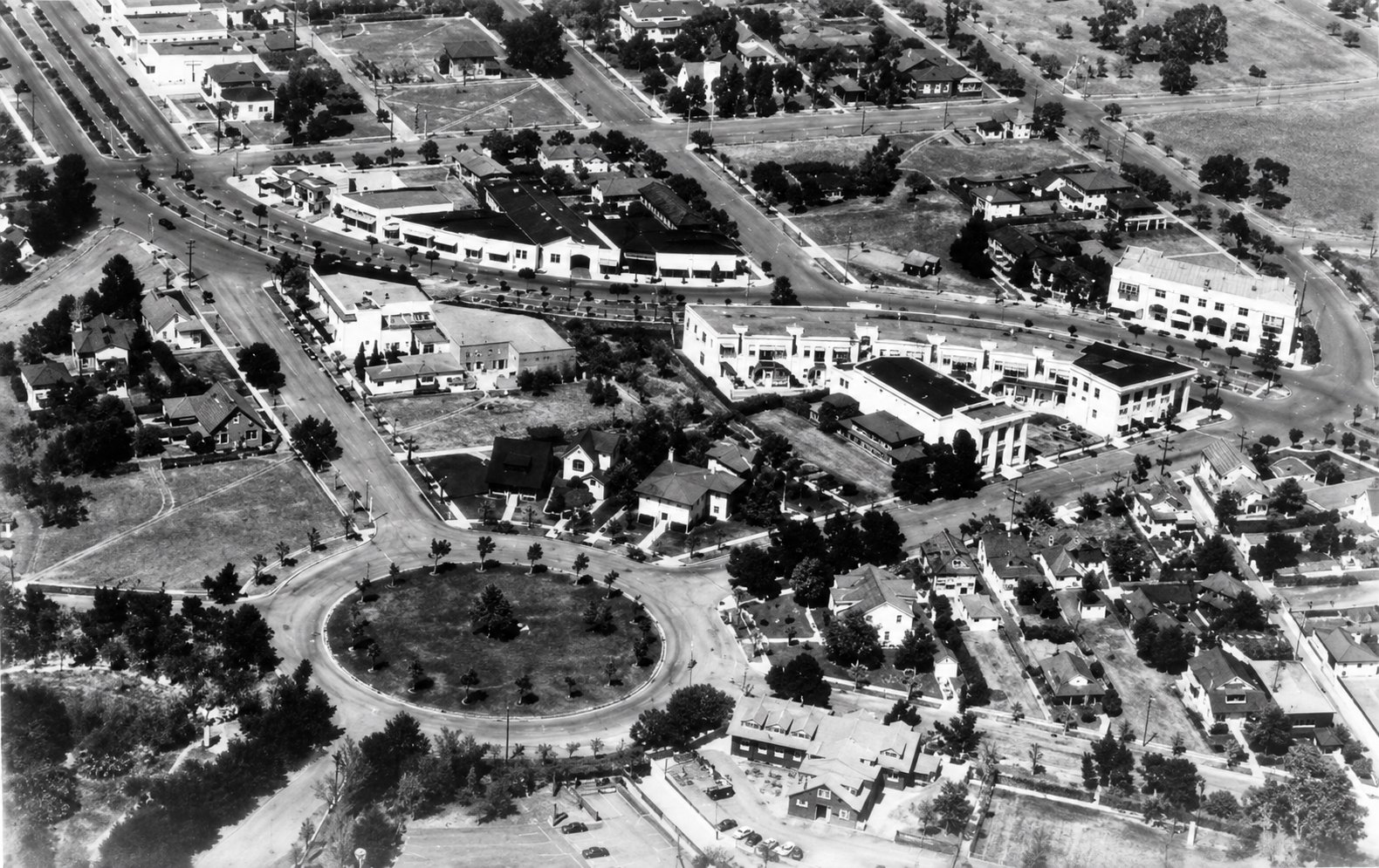
Just off Orange Avenue, tucked into the heart of the island, sits Star Park — a small, five-pointed civic park that has been here since Coronado's founding.
It's not the largest park on the island. But it may be the most important.
The star shape was intentional — designed to anchor the surrounding neighborhood and create a true center of gravity for the blocks around it. Events happen here. Live music. Seasonal celebrations. And on quiet afternoons, it's the kind of place that slows you down without ever asking you to.
Historic cannons stand at the edges, names etched into the bases. A nod to Coronado's deep military roots.
But the most compelling story here has nothing to do with the military.
Adjacent to Star Park is a historic home where L. Frank Baum — author of The Wonderful Wizard of Oz — lived while writing the Oz sequels. He wasn't passing through. He was here, working, surrounded by the beauty and architecture of Coronado every single day.
For years, people have believed that Coronado — and specifically the Hotel del Coronado — helped inspire his vision of Emerald City. The Victorian towers. The way the building glows. The way the whole place feels slightly too beautiful to be entirely real.
But when you stop the golf car in front of that house and sit with it for a moment, you can understand why people think it.
Coronado Beach Is Not a Destination Here
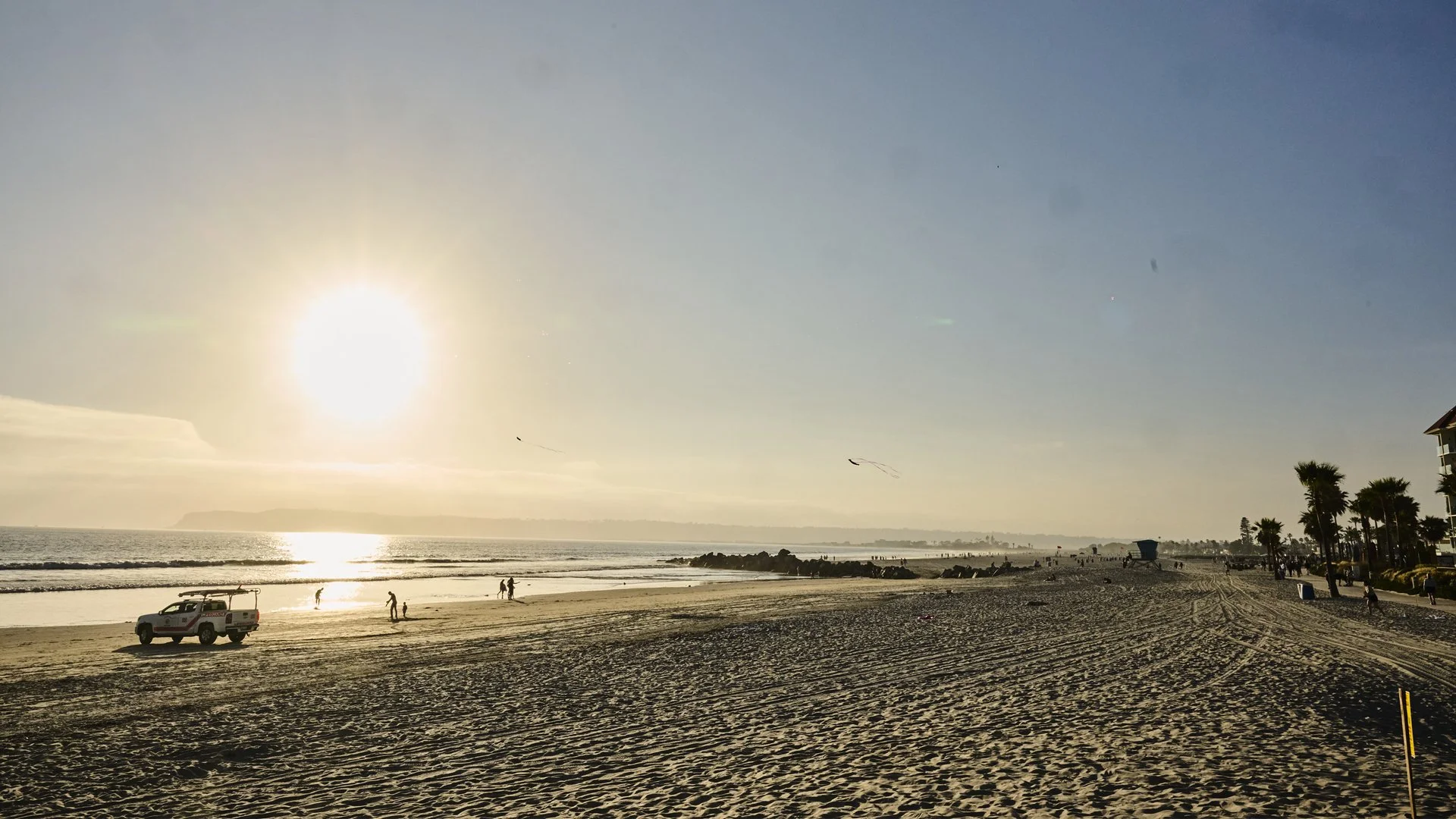
From Star Park, the beach is two turns and a few hundred feet away.
Coronado Beach stretches two miles along the Pacific and is consistently ranked among the best in the country. The sand shimmers — flecks of mica mixed into the grains — and the sunsets have a way of making everything else feel less urgent.
But the real story isn't the beach.
It's the closeness.
When you live here, you don't plan the beach. You don't pack the car or fight for parking or build your whole afternoon around it. You just end up there — the way you end up in your backyard.
That shift, from visiting a beach town to living in one, is subtle in writing and enormous in real life.
Right where the sand meets the road, the Hotel del Coronado rises into view. Victorian. White. Unmistakable. And connected to the Emerald City story in ways that feel more obvious the longer you look.
Most visitors see the postcard. This is what's behind it.
If this lifestyle is calling you — call me. I love it. I live it. And I'll help you find it.
And yes, there are specific rules and laws for driving a golf car here. If you're new to the area—or considering a move—you can download my Coronado Island Golf Car Rules Guide (PDF) for a quick, clear overview of everything you need to know.